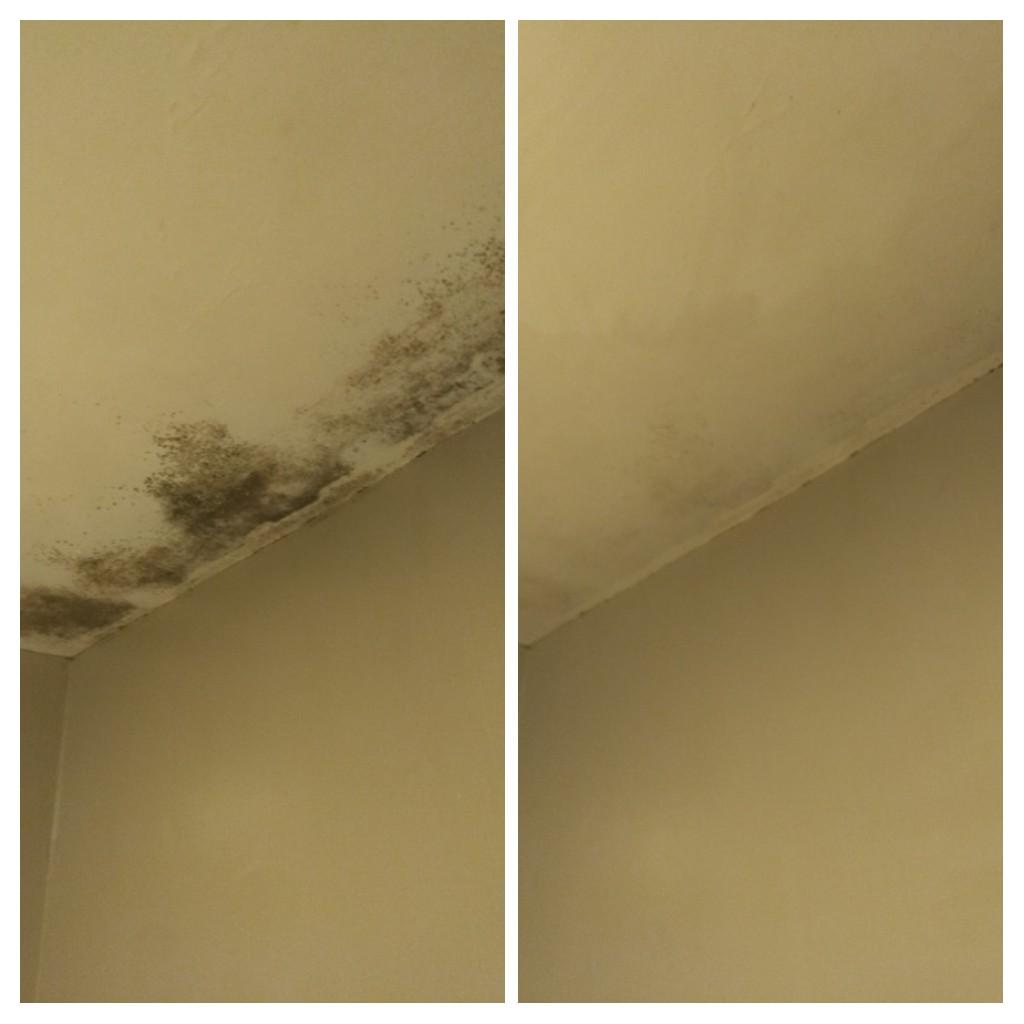
Bathroom mould is one of the most common issues Perth homeowners deal with, especially during humid months or in homes with poor ventilation. At Perth Bathroom Specialist, we remove light to moderate bathroom mould as part of our Standard and Deep Cleaning services.
However, some types of mould growth require a licensed mould remediation specialist.
This guide explains the differences, what you can safely handle, and when it’s time to call in professional help.
Why Mould Forms in Bathrooms.
Mould thrives in warm, humid, poorly ventilated areas—making showers, corners, and tile grout perfect environments. Contributing factors include:
- Steam with nowhere to escape
- Inconsistent cleaning routines
- Soap scum acting as a food source
- Hard water minerals trapping moisture
- Leaking taps or plumbing
- Silicone breaking down over time
Understanding these triggers helps you prevent mould from coming back.
What We CAN Remove (Light & Surface-Level Mould)
We safely remove light to moderate mould that sits on the surface of your bathroom tiles, grout, shower corners, and edges. This includes small patches caused by humidity, soap scum buildup, or inconsistent cleaning. If the mould hasn’t travelled beneath the silicone and is limited to surface areas, it can be fully treated during our Standard or Deep Bathroom Clean.
What We CANNOT Remove (Requires a Specialist)
We do not remove severe or structural mould, including mould that has spread beneath tiles, behind walls, or deep into silicone. Large ceiling patches, mould caused by hidden leaks, or widespread black mould growth also fall outside our service scope. These cases require licensed mould remediation or silicone replacement specialists to ensure the problem is safely and properly addressed.